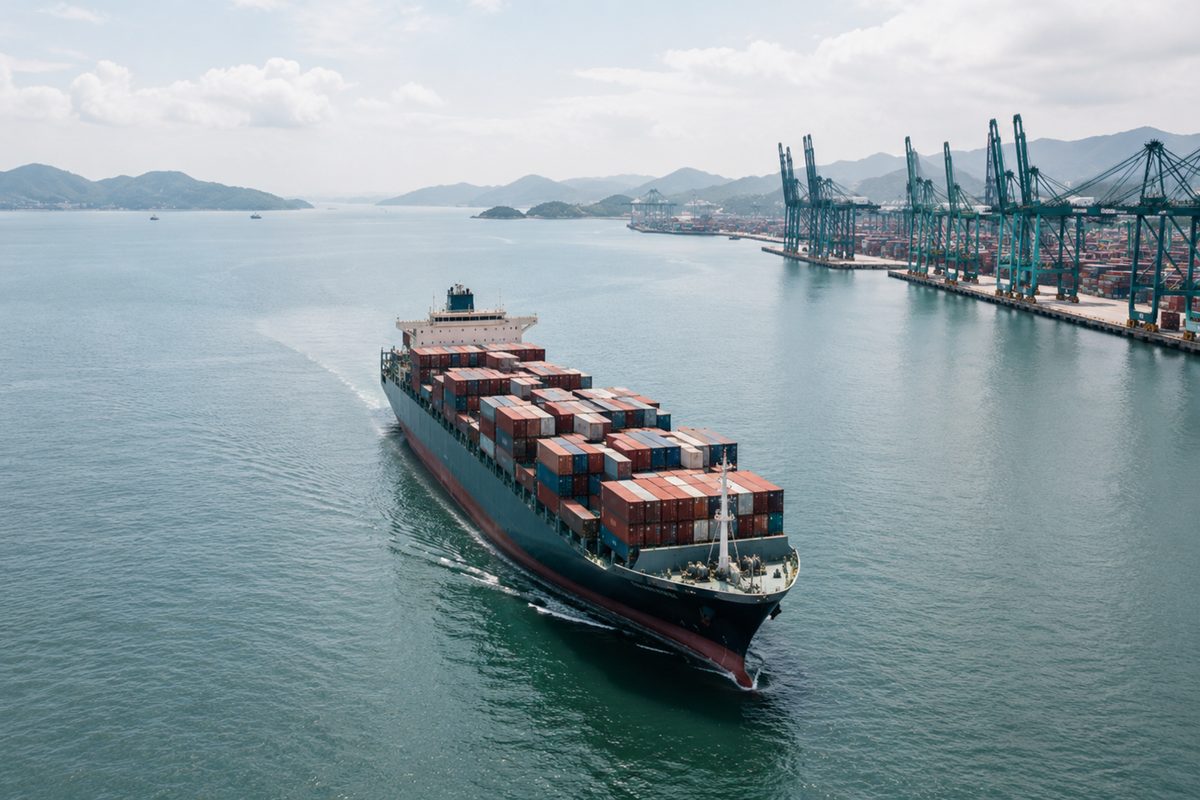
Sea
Often considered for larger commercial loads or goods where space and handling needs shape the route choice.
- Cargo dimensions and volume
- Port and destination details
- Packing, customs and handling requirements

Shipping coordination
Sea, air, rail and road options are assessed after the cargo and destination information needed for the shipment is available.
Product type, quantity, dimensions, weight, packing, classification and handling needs shape the available options.
Consignee, port or terminal, delivery location and destination requirements must be confirmed before routing.
Available routes are compared using the shipment priorities, cargo limits, customs needs and handover arrangement.
The selected route, included services, documents and responsibilities are recorded for the specific shipment.
Restricted or special goods require separate confirmation before a route is selected.
Often considered for larger commercial loads or goods where space and handling needs shape the route choice.
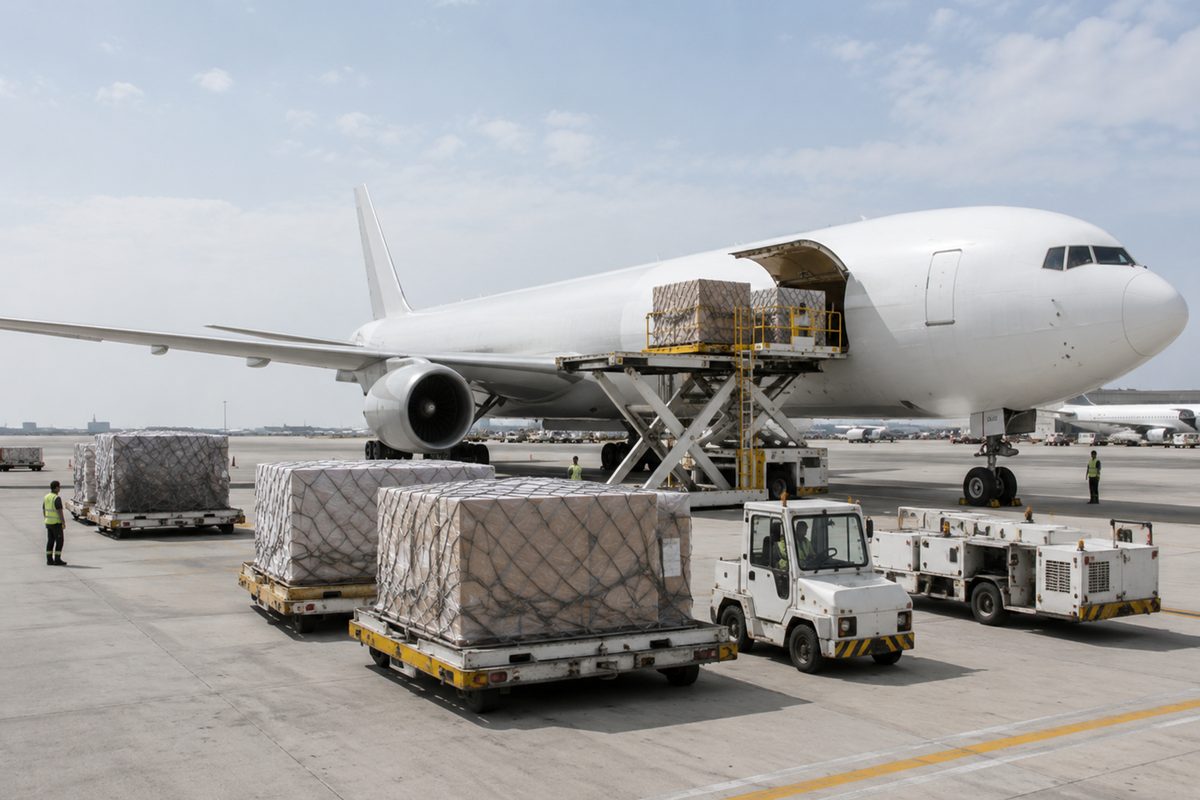
Considered for suitable goods when shipment size, cargo restrictions and delivery priorities support air handling.
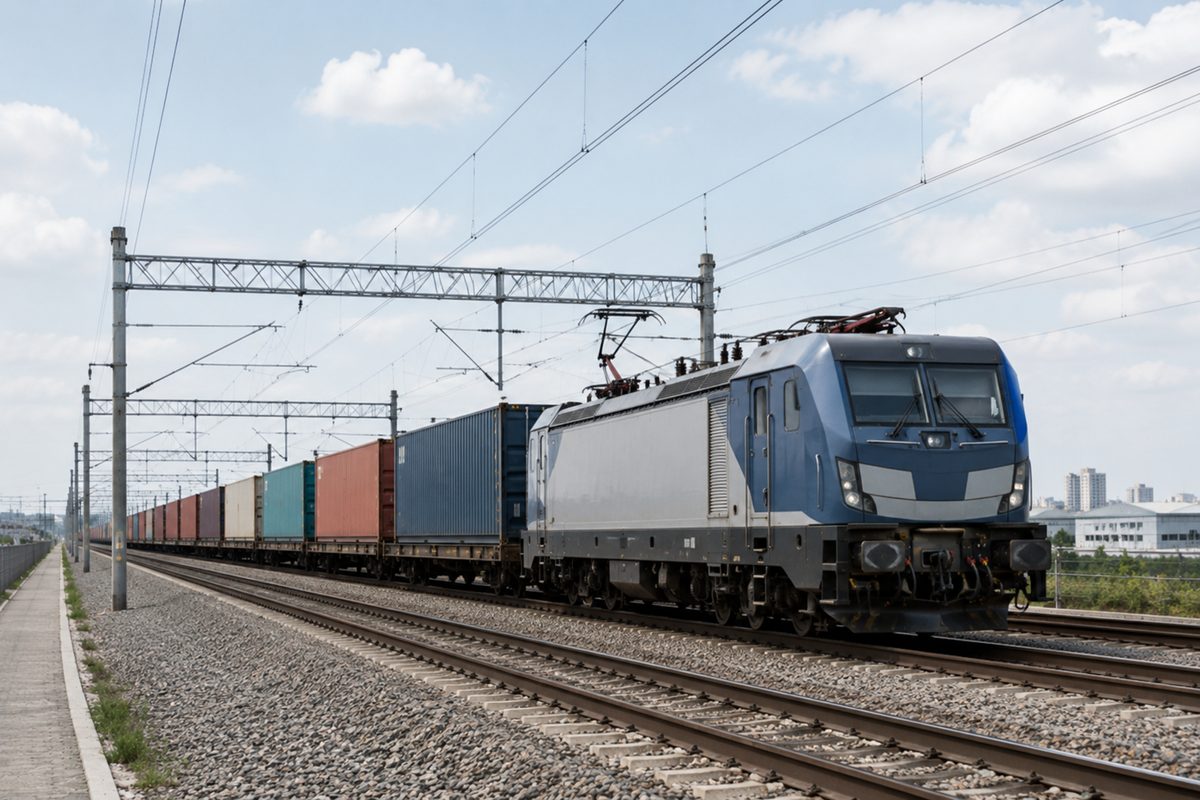
An option for compatible cargo and destinations where the available rail service matches the order requirements.
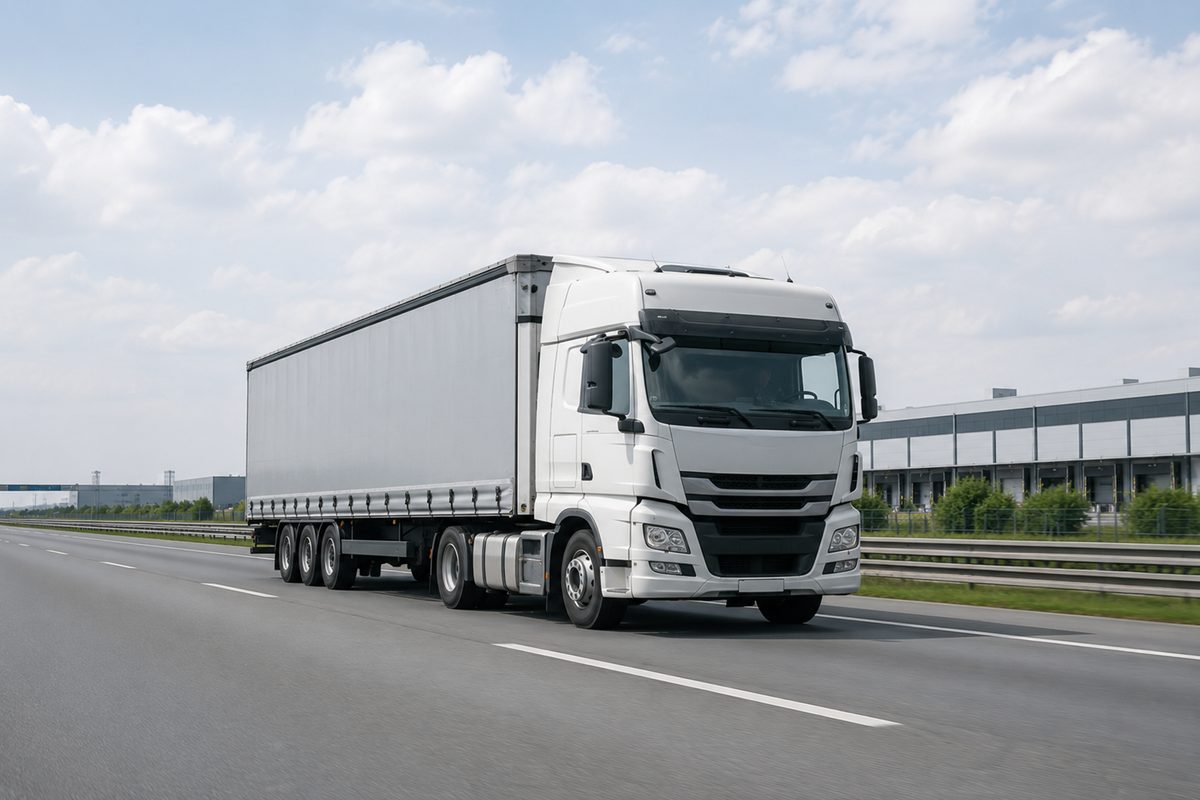
Used where cross border or connected inland road movement is suitable for the goods and receiving location.